Some Things I learned
The Kenya currency is Shillings. You can get about 100 shillings for 1$ USD.
Some tips on exchanging money locally:
1. They might not accept your bills if they are old bills, or have tears
2. Big bills have better exchange rate than small bills (For my $50 bills the rate was 102 shillings per USD, but for $20, $5 and $1 bills I only got 90 shillings per USD). So, BRING BIG BILLS!
The current president is Uhuru Kenyatta, son of the first president Jomo Kenyatta. Paul said that the Kenyatta comes from the largest tribe, and most people vote for people who comes from the same tribe rather than on the candidate's qualifications. There's also a lot of bribery going on. Uhuru Kenyatta was born with a silver spoon and was rich his whole life, so it's hard for him to imagine what life is like for normal people. During his first year in presidency, Paul said Uhuru spent it on travelling around the world.
Transaction systems in Kenya is so convenient. You can register a MPESA account and pay everything through your phone. To send money to your phone, you download an app called "Wave" and you can send money directly from the US to your Kenya cellphone in just a minute or two. It's free too! Although the exchange rate seem to be slightly lower than what you find in local currency exchange stores.

On Malaria
I started taking Doxycycline two days before leaving to Kenya. This is an relatively cheaper antibiotic for treating infections, but also works for Malaria. You have to take this pill everyday.
The other option was Chloroquine, which only have to be taken weekly, but this was a lot more expensive. The estimate for 7 pills (which last 7 weeks) was about $130 USD. I think both were covered under my school's health insurance. However, you can only get covered for one month at a time (you have to go back for re-fill after each month). This means if you travel more than one month you have to pay the extra pills out of pocket. I got five extra pills just in case and it was $15 out of pocket.
William and Paul have been drinking Krest (a bitter lemon Soda) to avoid getting Malaria. This soda contains quinine which is an anti-malaria chemical. Drinking this prevents the side effects from consuming antibiotics for long term.

Life in Nairobi
Some roads have not yet been paved, most major roads have. You'll see a lot of people selling random stuff on the side of the road. Some of them carry strings of fruits and will walk to your car window to try and sell them to you. They are tied up like this:
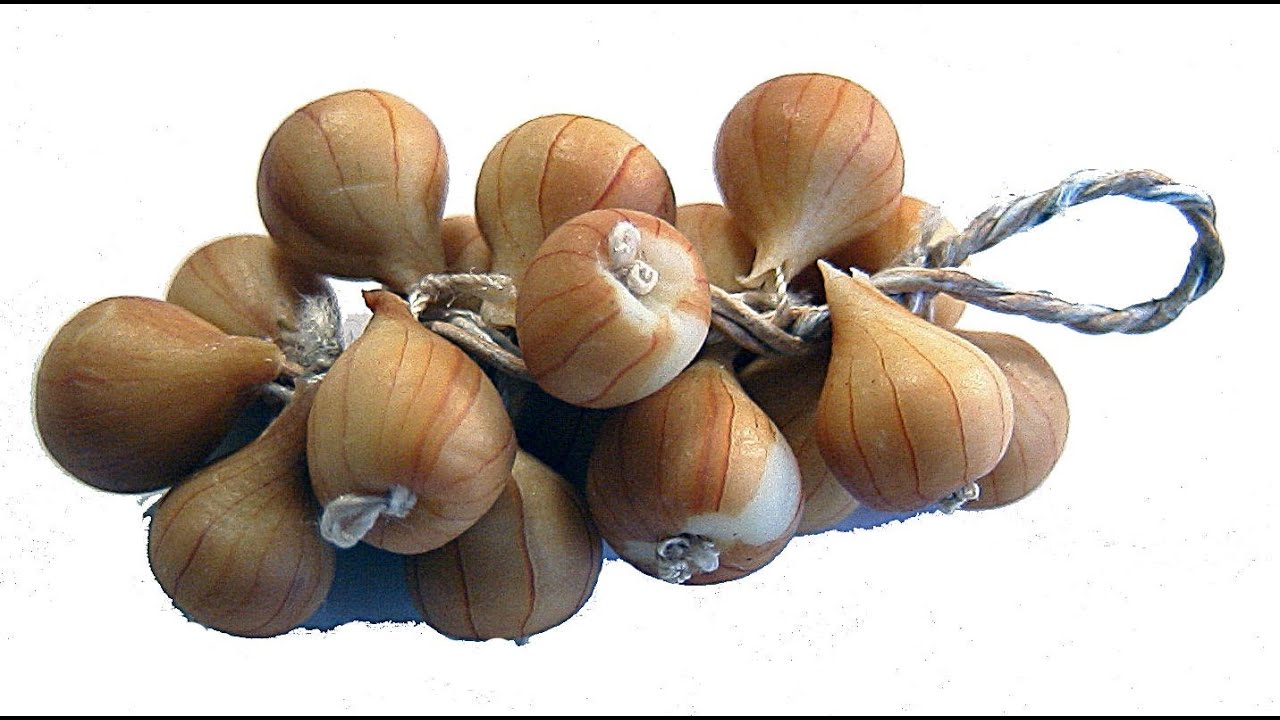
The local big-chain supermarket is called "Nakumatt". Their slogan is "You need it, we've got it", which I find funny because it sounds kind of like a Chinese supermarket slogan (with surprising correct grammar since Chinese signs usually have terrible grammar)


The water went out on the second day while we were cooking breakfast. Water has been a big issue in Nairobi, and the government is not doing much to solve this. They ration the water, which means water just gets cut from households from time to time for several hours. William went out and bought two bottles of water for us to wash the tomatoes and eggs. It was difficult to cook without water, because you can't wash your hands as often. Since then, I'm thankful when there is water coming out of the tap, and I try to use as little as possible.
It's hard to sleep at night because there are so many mosquitos. Tonight William helped me burn some incense in the room 10 minutes before I went to sleep. I slept well until 3am when the incense seem to have lost its effects.

No comments:
Post a Comment